
Essential Gas Safe Standards for London Plumbers: Ensuring Compliance in Every Job
Understanding Gas Safe Registration Gas safety is critical. Neglecting standards leads to danger. In the UK, anyone working on gas appliances ...
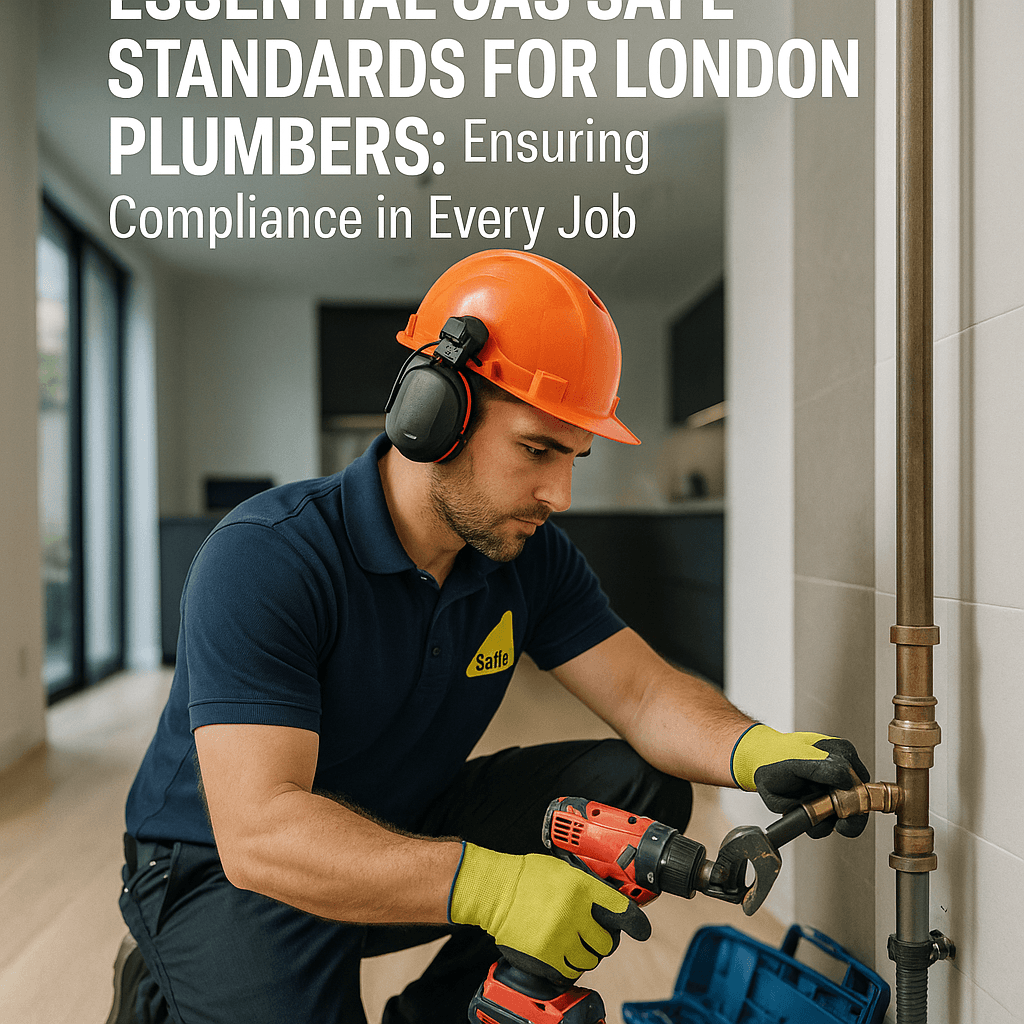
Understanding Gas Safe Registration
Gas safety is critical. Neglecting standards leads to danger. In the UK, anyone working on gas appliances or fittings must be Gas Safe registered. It's not optional it's the law. The Gas Safe Register is the official list of engineers qualified to work safely and legally on gas appliances. Always verify registration. Ask for ID badges. They show the engineer's registration number and photo. This isn't just formality. It's safety.
Every registered engineer has been checked to ensure they are competent and appropriately qualified to work safely. The Gas Safe Register itself is maintained by the Health and Safety Executive (HSE). Non-compliance can lead to severe penalties. Don't risk it.
Key Compliance Standards
Know the standards. Follow them. The main standards for gas safety in the UK are set out in the Gas Safety (Installation and Use) Regulations 1998 (GSIUR). These regulations cover the safe installation, maintenance, and use of gas systems. They apply to both domestic and commercial gas installations. Engineers must adhere strictly to these standards.
- Installation: All installations must be done by a qualified engineer. DIY isn't safe or legal.
- Maintenance: Regular servicing is mandatory. It's the law for landlords to arrange annual checks.
- Appliance Checks: Ensure all gas appliances are properly adjusted and working correctly.
Compliance is non-negotiable. Ignoring these standards can result in gas leaks, carbon monoxide poisoning, or explosions. This isn't a scare tactic; it's reality.
Safety Practices for Engineers
Engineers must be vigilant. Safety first. Every plumber must conduct a risk assessment before starting any gas-related work. This includes identifying potential hazards and ensuring the working environment is safe. The use of appropriate personal protective equipment (PPE) is mandatory.
Always check equipment. Ensure tools are in good condition. Never use faulty gear. When working on gas pipework, it’s essential to test for leaks using approved leak detection fluid. Proper ventilation is critical. Never block vents or flues. These practices prevent accidents and ensure compliance with safety standards.
Vetting and Trusting Your Plumber
Check credentials first. Before hiring a plumber, confirm their Gas Safe status. Ask for references. Read reviews. Trust but verify. A competent plumber will have a portfolio of previous work and can provide testimonials from satisfied clients.
In London, it's particularly important to ensure the plumber is familiar with local codes and ordinances. The city has its unique challenges and regulations. An experienced London plumber will navigate these complexities with expertise.
Ultimately, choosing the right professional is critical. Don't compromise on safety. Cutting corners costs.
```Tags
Ready to hire?
Get matched with a vetted London tradesperson today.
Post your job in 90 seconds. Assigned in minutes. £5 Peace of Mind fee.
Post a Job