
Top Tips for Assessing Damp Prevention Strategies in London’s Historic Properties.
Understanding Damp Issues in Historic Properties Damp is a menace. It silently damages structures. Historic properties in London are especially at ris...
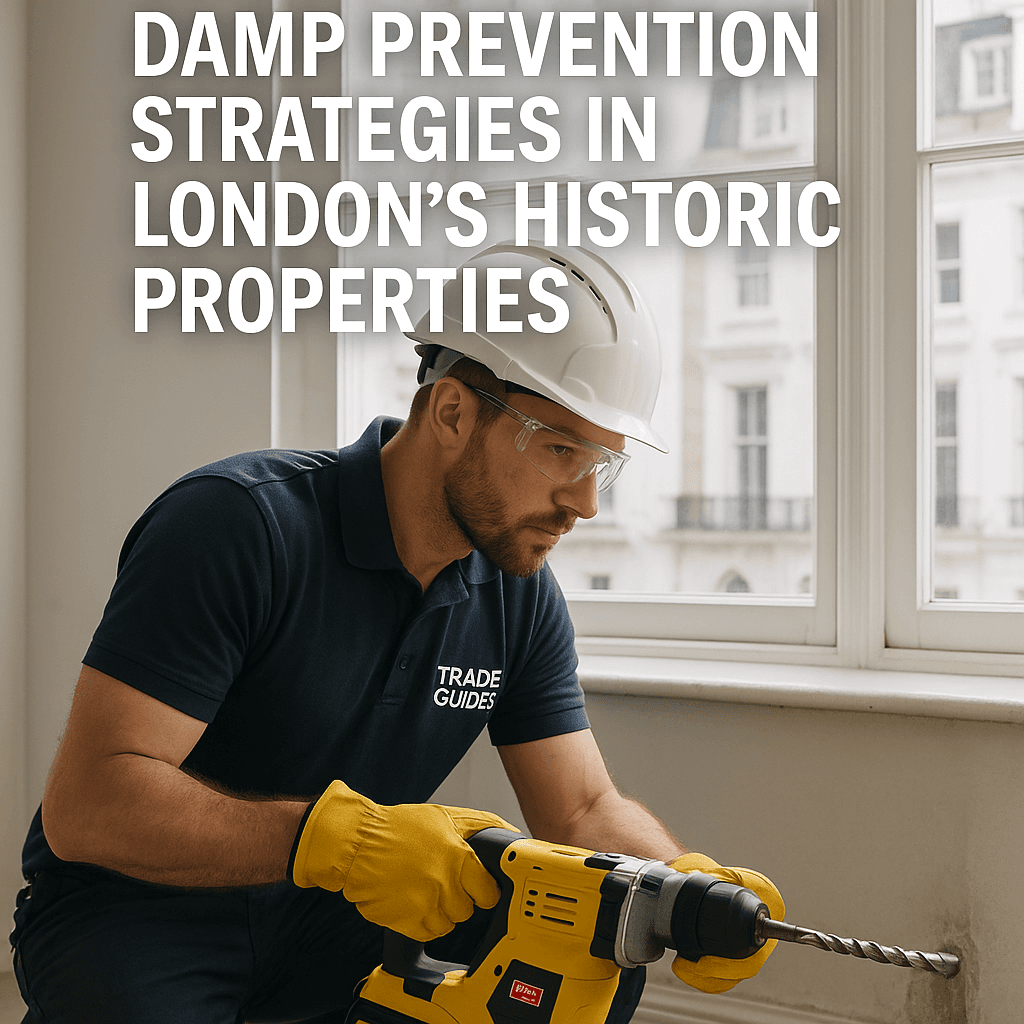
Understanding Damp Issues in Historic Properties
Damp is a menace. It silently damages structures. Historic properties in London are especially at risk. These buildings haven’t got modern damp-proofing. Problems often lurk unseen behind walls. Rising damp, penetrating damp, and condensation are the primary culprits. Recognising early signs is vital. Look for peeling paint, stained walls, and a musty smell. Addressing these early saves money. Ignoring them leads to costly repairs.
Historic properties are governed by strict conservation rules. Repairs require thoughtful planning. Using the wrong materials can worsen issues. Modern solutions don’t always fit. They can even damage historic fabric. Understanding these limitations is essential. It’s critical to know UK building regulations. Listed buildings have additional requirements. Compliance is non-negotiable. Get familiar with Part C of the Building Regulations 2010, which covers site preparation and resistance to contaminants and moisture.
Choosing the Right Damp-Proofing Strategy
Wrong methods can fail. They might also lead to further damage. Choose wisely. Many factors determine the right approach. Consider the age and construction type of the property. Lime plaster, commonly used in historic buildings, allows walls to breathe. It’s critical for maintaining moisture balance. Cement, however, traps moisture. This can exacerbate damp issues.
Injection creams, tanking, and electro-osmosis systems are modern solutions. But, are they right? Often they aren’t suitable for listed buildings. Inappropriate methods spell trouble. Consult with conservation specialists instead. They understand the delicate balance. They know what works. Avoid generic contractors. Opt for those experienced with heritage properties.
Vetting Contractors for Heritage Work
Check credentials first. Vetting contractors is critical. Not all builders understand historic needs. Experienced professionals do. Look for specialists in historic buildings. Ask for references on similar projects. Verify their credentials. Membership in heritage organizations is a good sign. The Society for the Protection of Ancient Buildings (SPAB) provides useful resources. Their register includes vetted specialists. Check it before hiring anyone.
Beware of cheap quotes. They often mean shortcuts. Cutting corners costs. Always insist on detailed inspections and written assessments. These should outline precise strategies. They must adhere to preservation standards. Ensure compliance with BS 7913:2013. This British Standard provides guidelines for the conservation of historic buildings. Following these guidelines is a must.
Monitoring and Maintaining Damp Prevention Measures
Prevention doesn't end at installation. Regular monitoring is key. Maintenance is ongoing. Monitor damp prevention measures diligently. Moisture sensors can help. They alert you to rising damp levels. Don’t ignore minor signs. Early action prevents bigger issues. Conduct annual inspections.
Keep gutters and downpipes clear. Blockages lead to overflow and damp. Check roof tiles and flashing. These protect against water ingress. Time, weather, and pollution take their toll. Regular maintenance is essential. Address issues promptly. Neglect leads to deterioration. Heritage buildings demand regular care.
In summary, understanding and addressing damp in London’s historic properties requires a careful approach. Choose the right strategies, vet contractors thoroughly, and maintain your prevention measures to ensure these architectural gems remain in good condition for future generations.
Tags
Ready to hire?
Get matched with a vetted London tradesperson today.
Post your job in 90 seconds. Assigned in minutes. £5 Peace of Mind fee.
Post a Job